
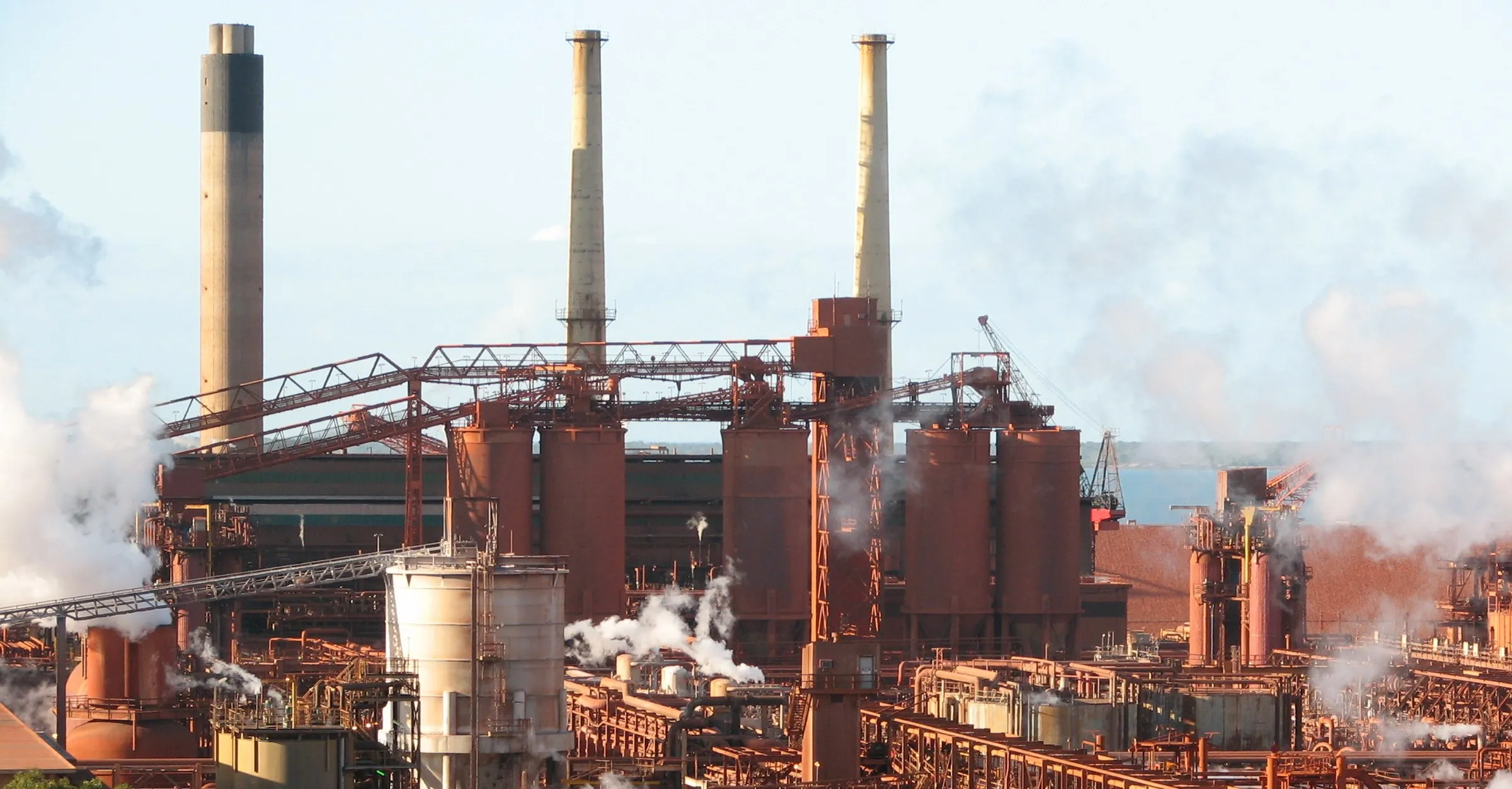
Alumina Production: A Loop, Not a Line
The Bayer process is a caustic loop. Every pass leaves more impurity in it, and the exits are the product, the red mud and a deliberate bleed.
Reviewed
Read the guideUnderstand what a material does, how it is made, and where industrial value comes from. Evidence-led guides to grades, applications and supply chains.
The Bayer process is a caustic loop. Every pass leaves more impurity in it, and the exits are the product, the red mud and a deliberate bleed.
Reviewed
Read the guide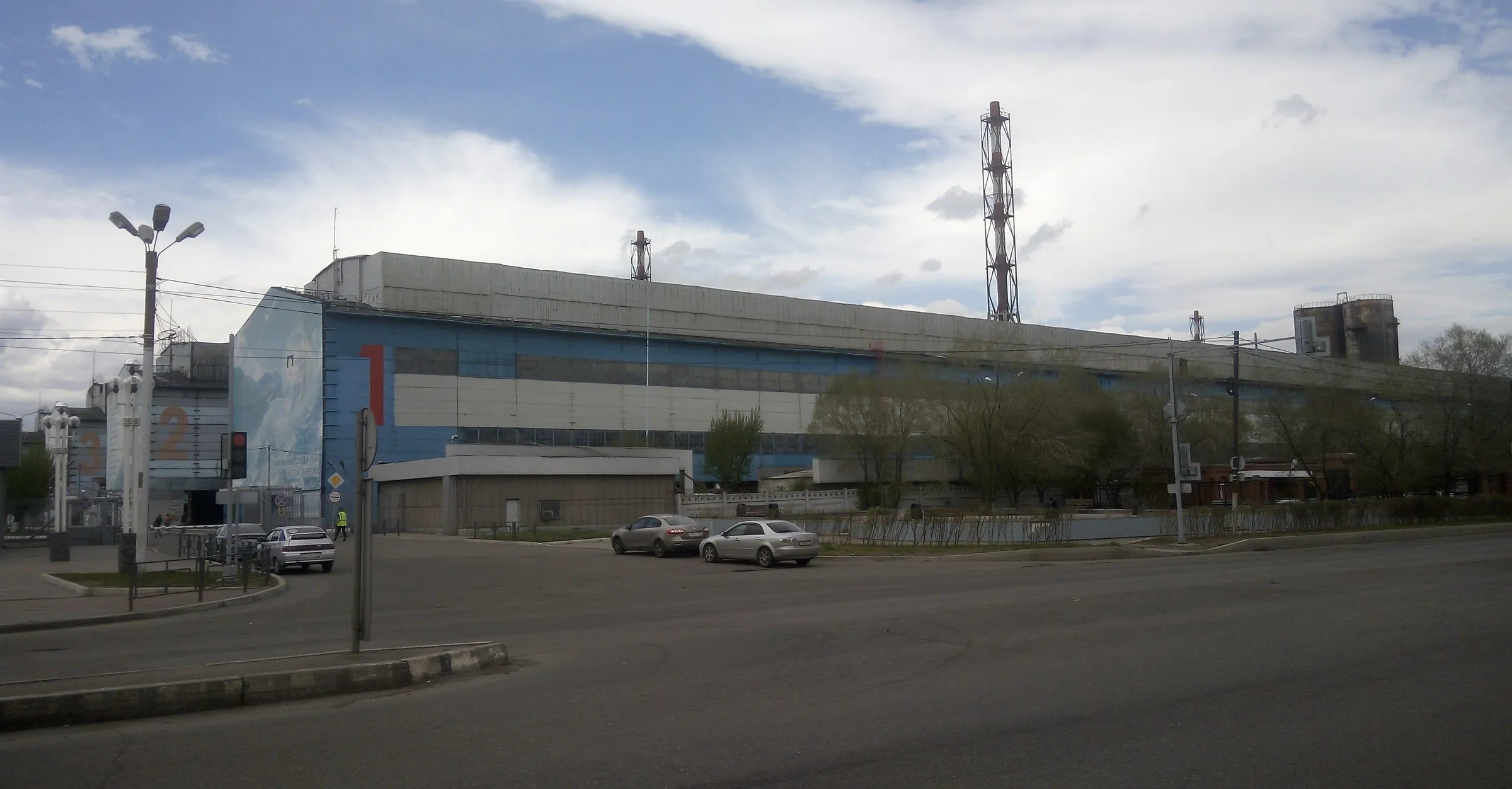
US primary aluminum output was 660,000 tons in 2025 and secondary output about 3.6 million. The two chains differ in energy, and in what limits them.
Reviewed
Read the guide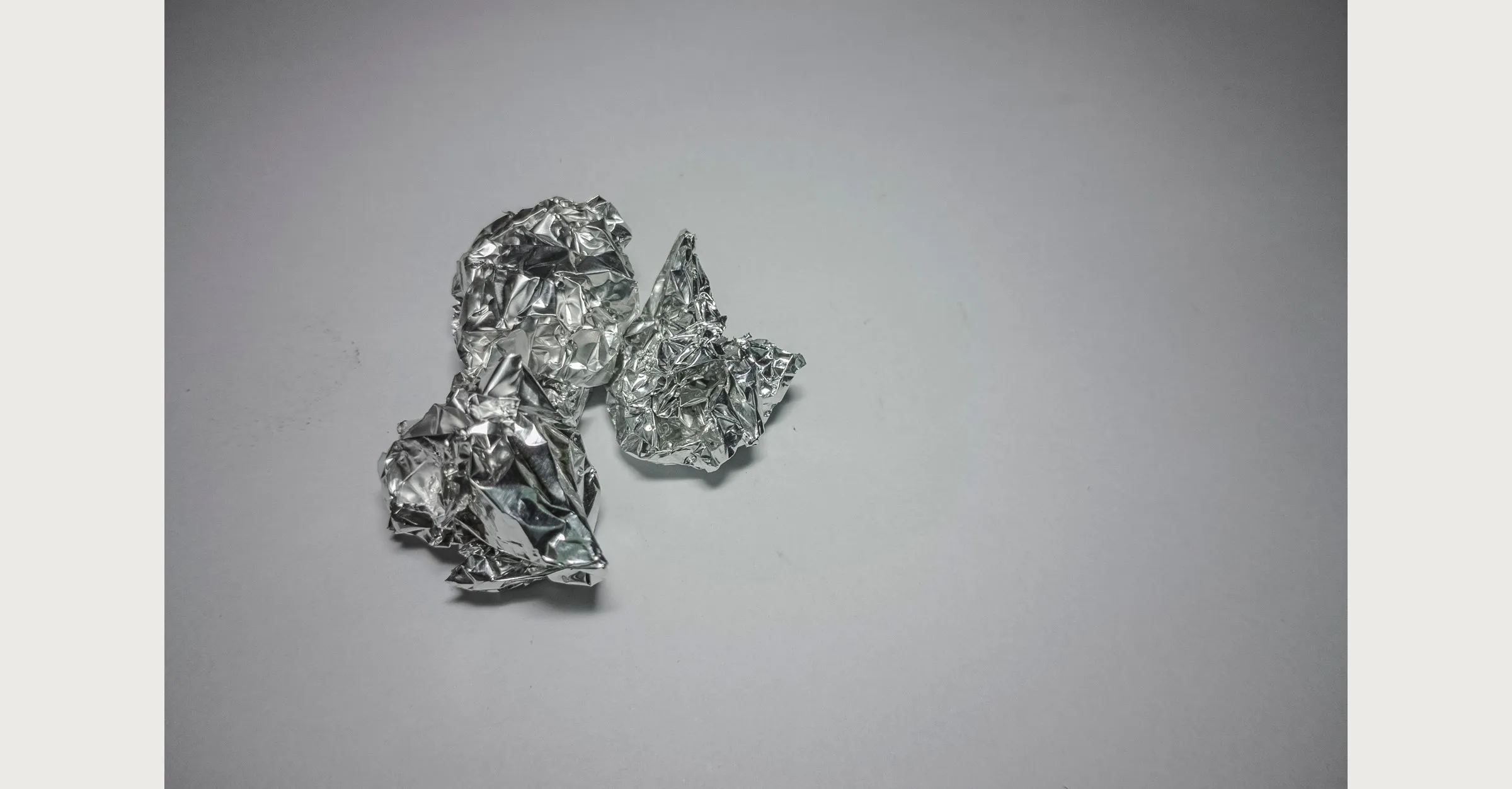
Lightness and conductivity pull the same element apart. Structural uses alloy it freely; electrical uses cannot, and the trade costs about ten points.
Reviewed
Read the guide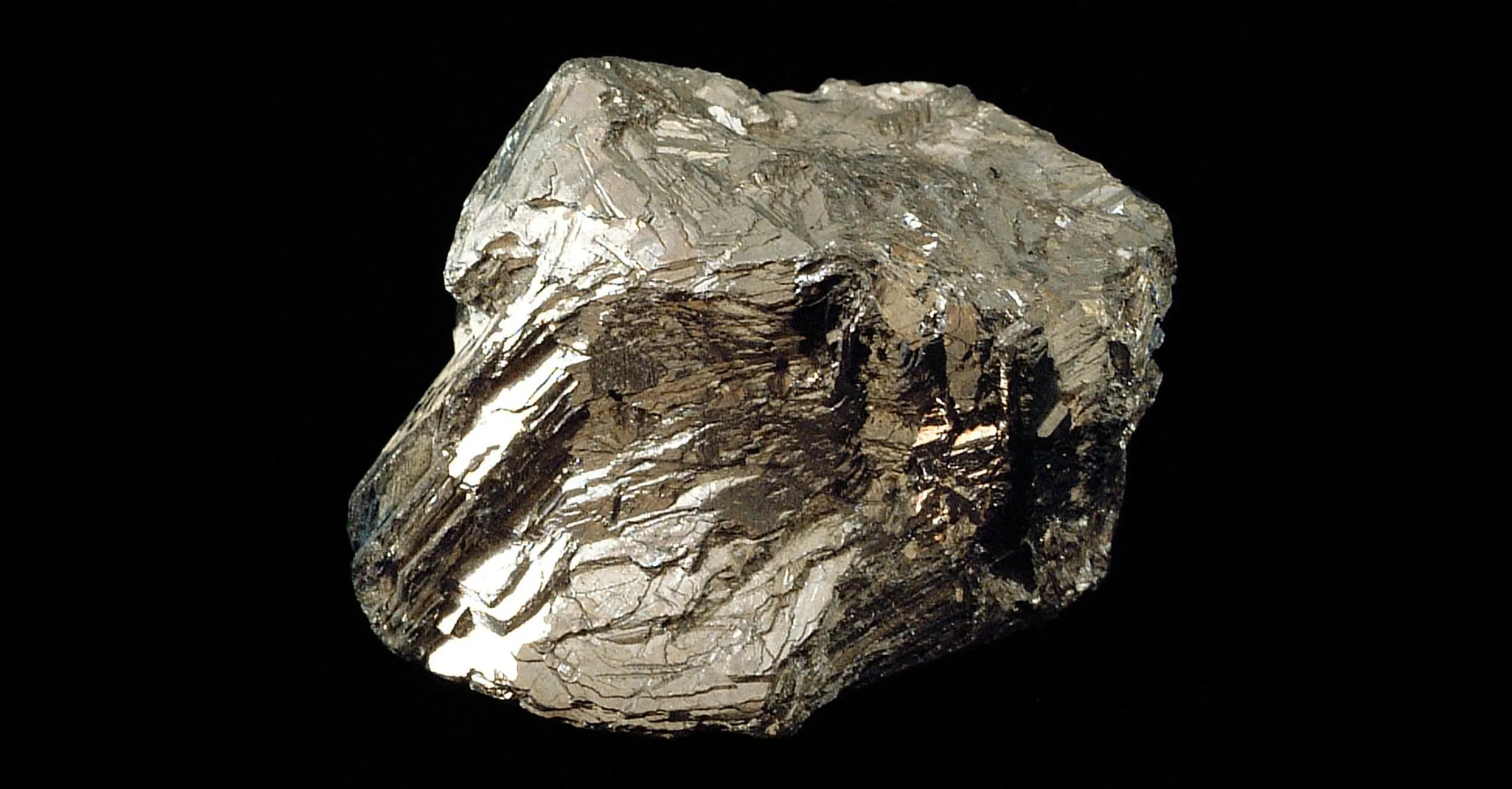
Antimony is counted as contained metal, priced on one ingot grade and controlled on another; a mine’s headline of 14 million tons is ore, not antimony.
Reviewed
Read the guide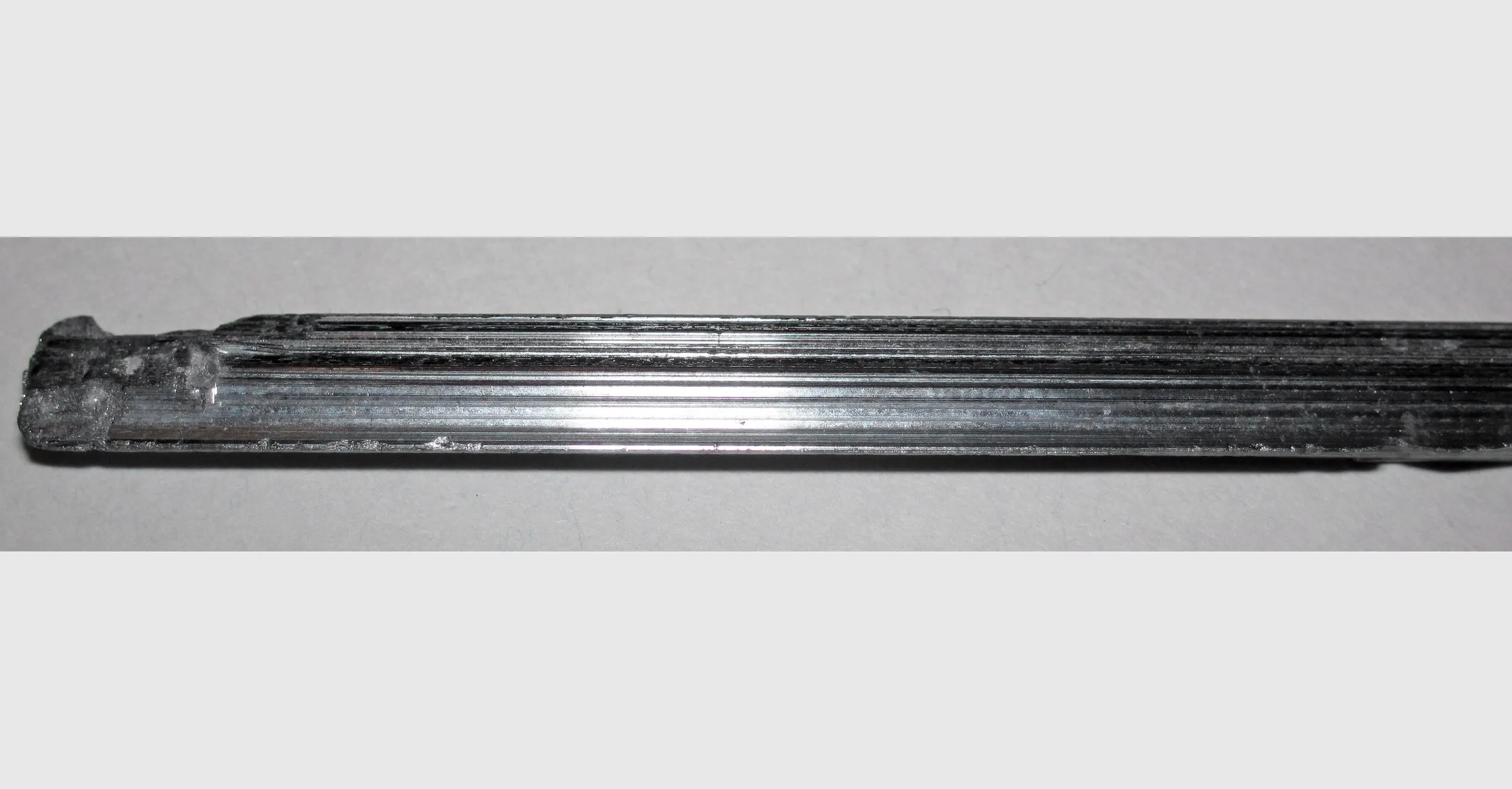
Six routes make antimony metal, and the concentrate grade decides which one runs. The route that dominates yields about 99.4%, not four nines.
Reviewed
Read the guide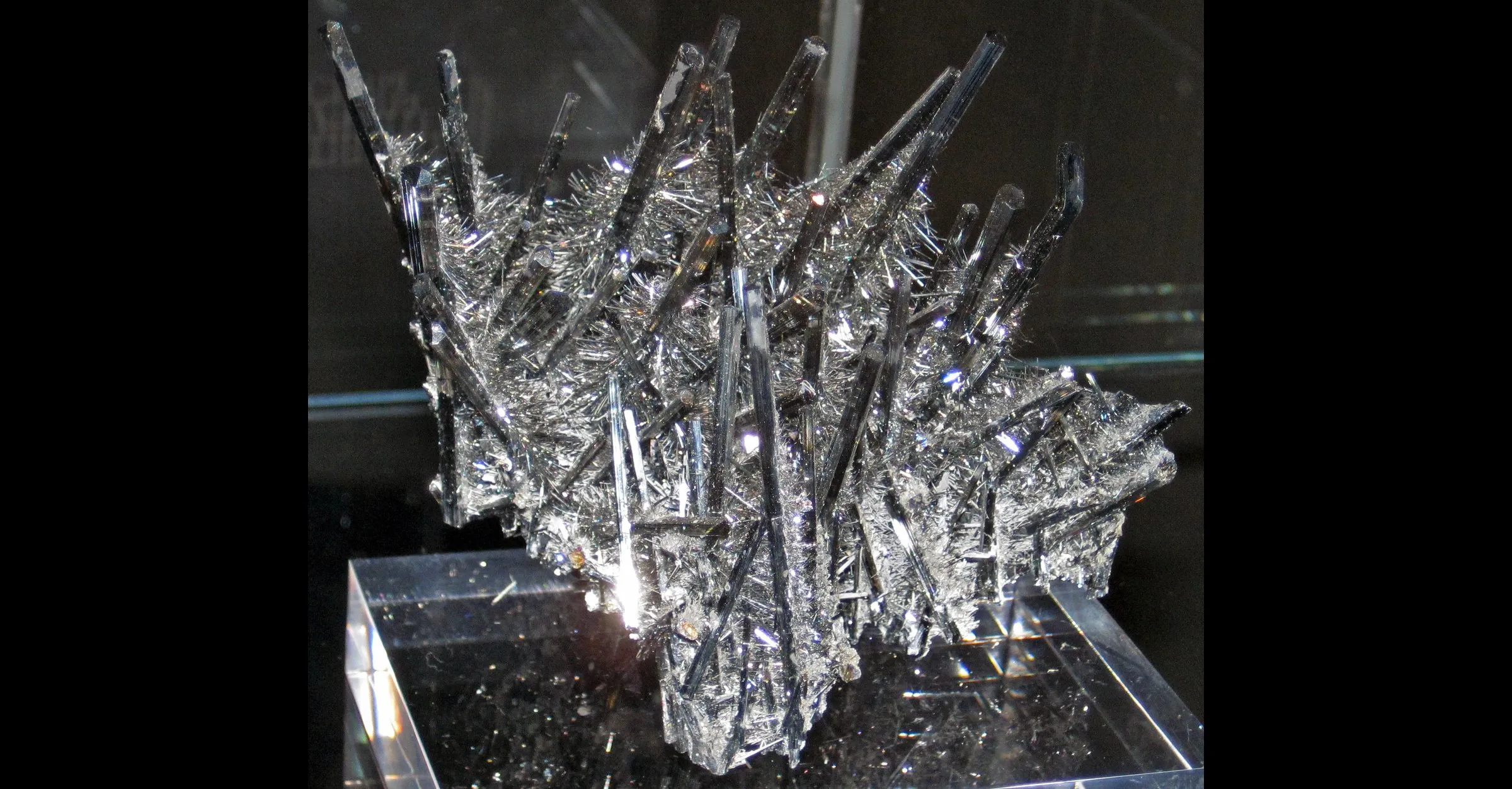
The trioxide does three unrelated jobs: flame-retardant synergist, PET catalyst and glass fining agent. The alloy and the medicinal salts do the rest.
Reviewed
Read the guide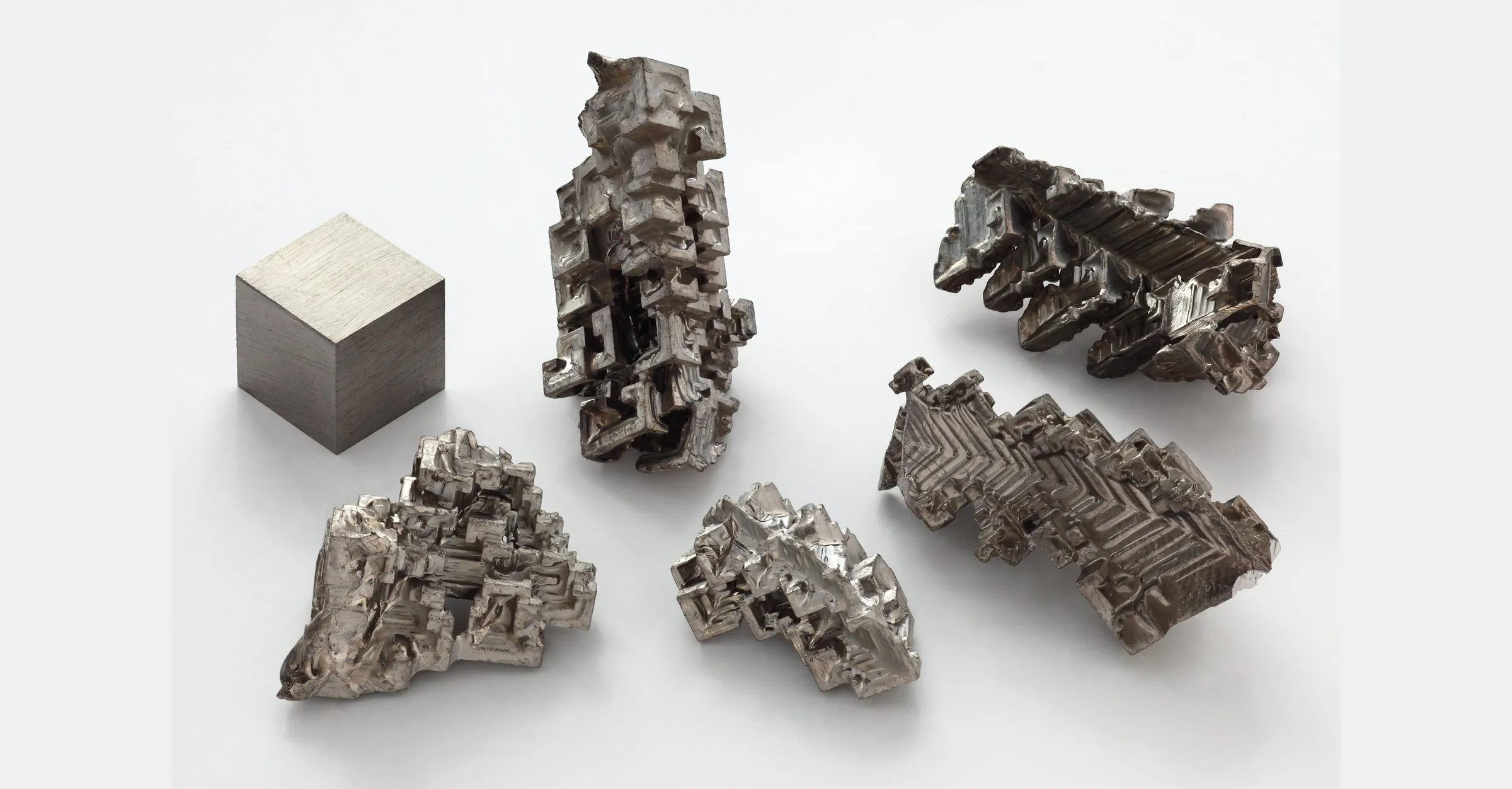
Bismuth output fell while its price rose 3.7-fold. The metal is a lead byproduct, priced on a threshold that is not a product grade.
Reviewed
Read the guide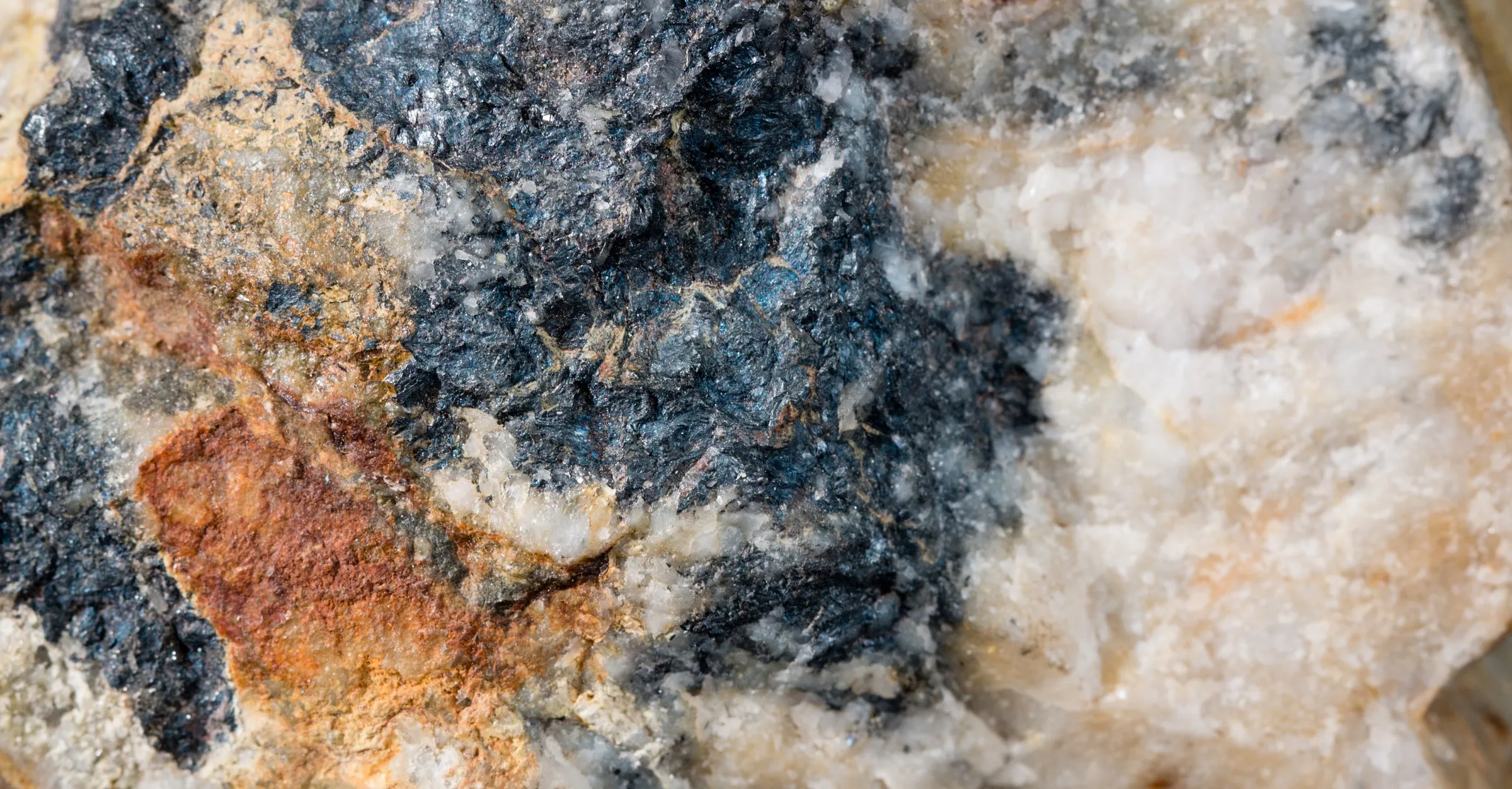
Kroll-Betterton and Betts are alternatives, not stages. Both reach four nines, and the intermediates between bullion and metal are not the same material.
Reviewed
Read the guide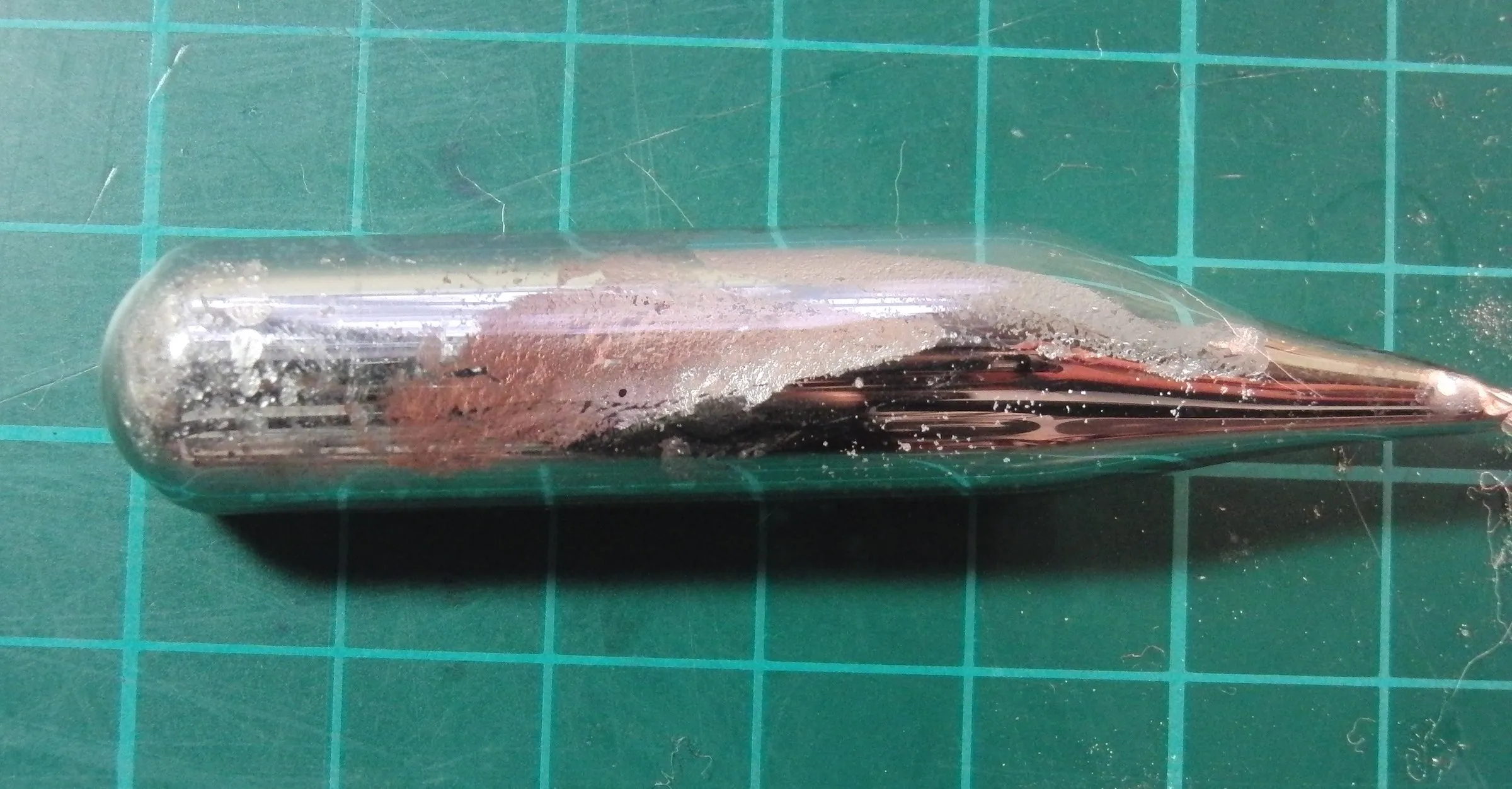
Most bismuth goes into chemicals. In alloys the buying question is what the mixture must not contain: lead, cadmium, or both.
Reviewed
Read the guide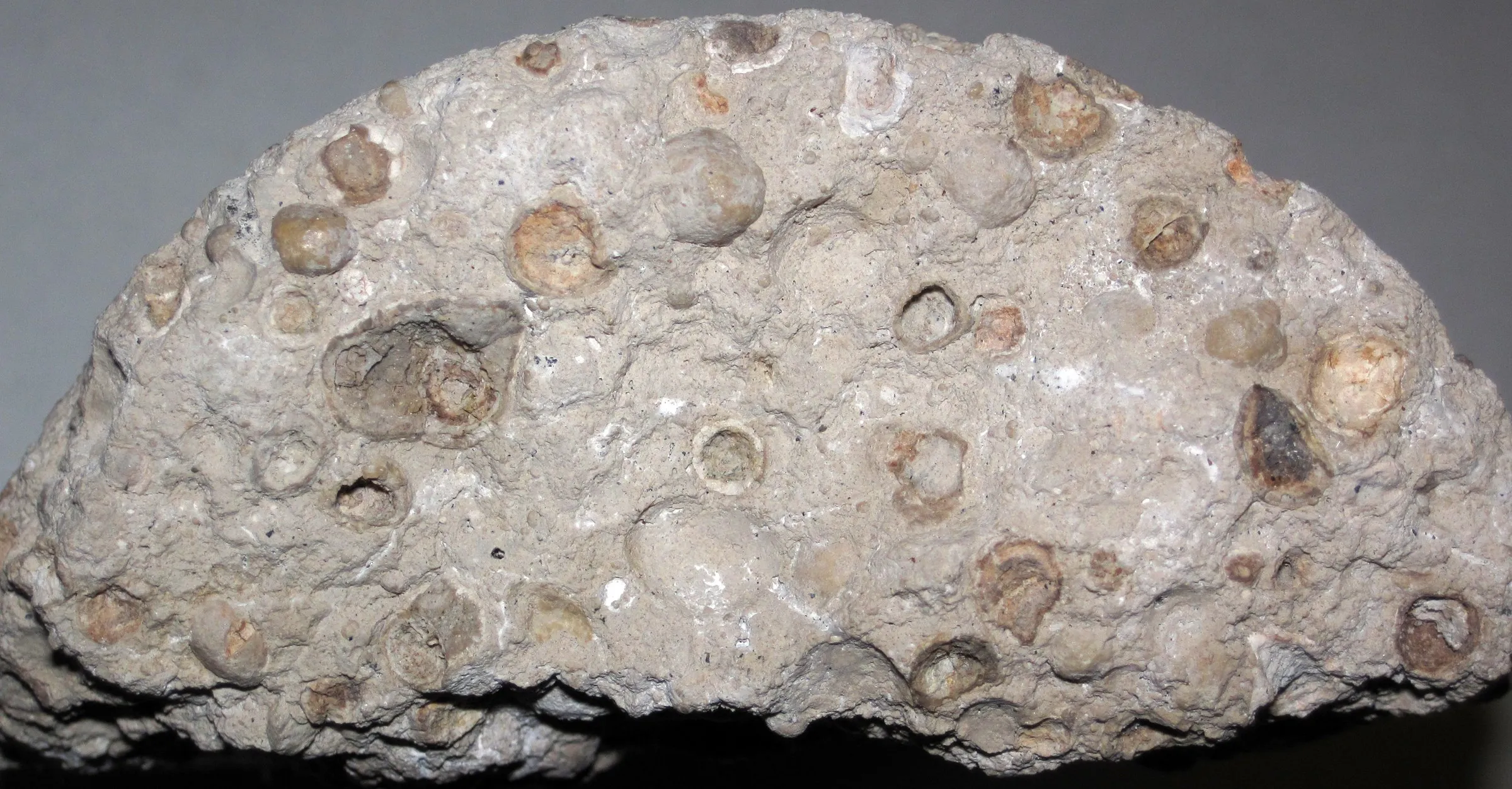
Bauxite carries 20 to 80 ppm gallium; the liquor it accumulates in carries 100 to 300 mg/L. The feedstock is a refinery stream, not a deposit.
Reviewed
Read the guide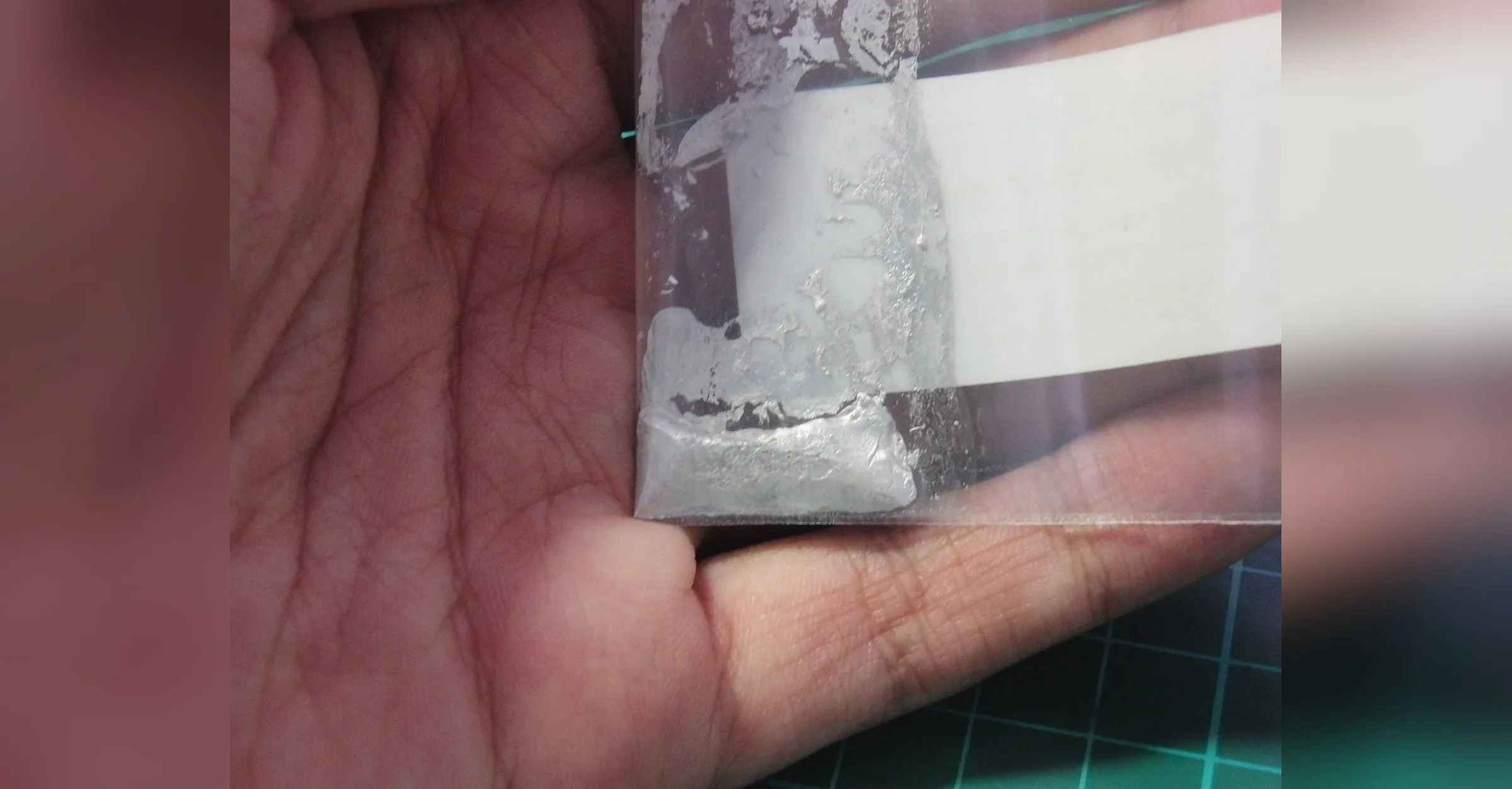
Gallium arsenide turns current into light and back. Gallium nitride survives where silicon breaks down. The choice comes before any supplier call.
Reviewed
Read the guide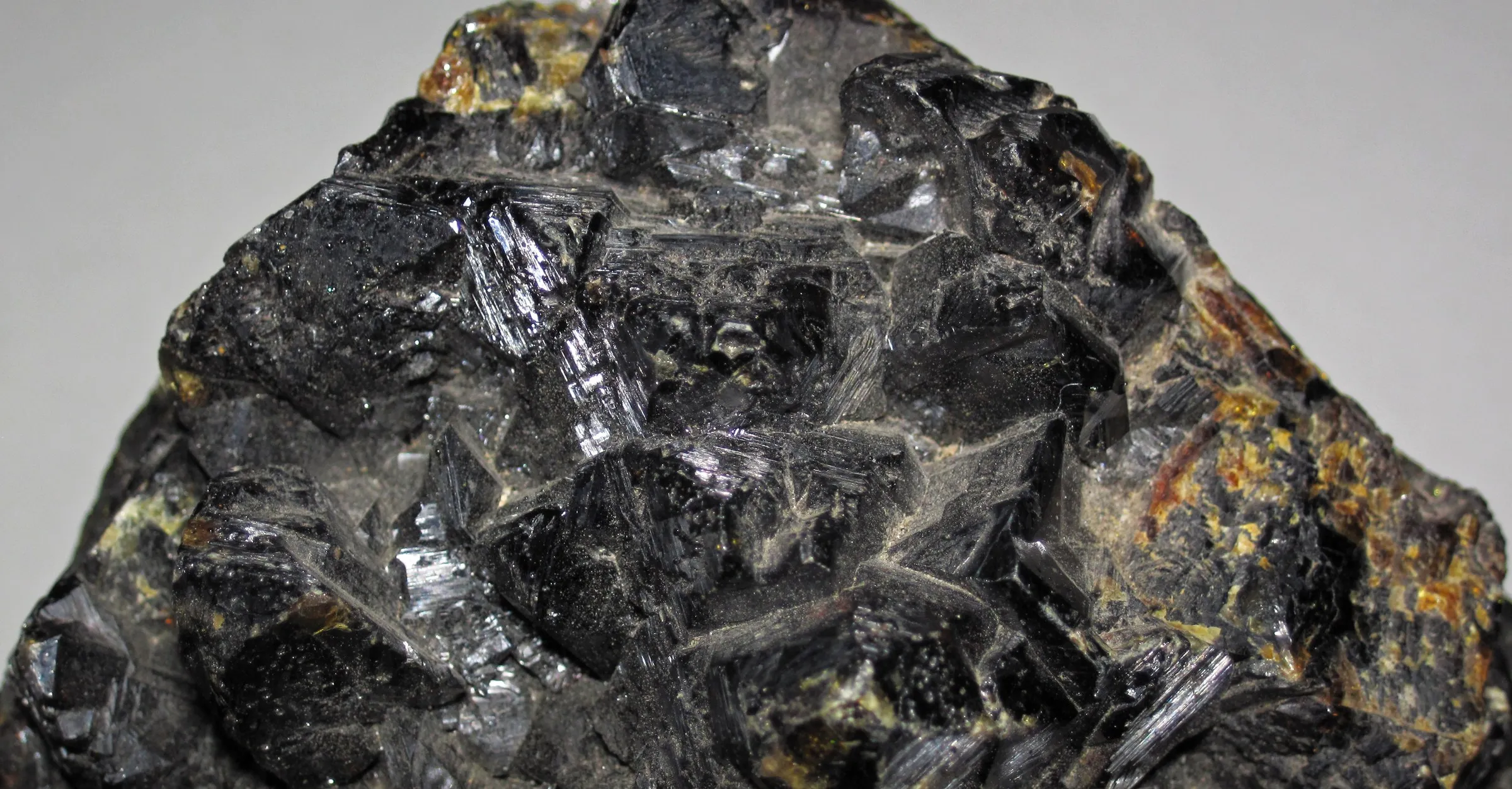
Germanium sits in zinc residue as oxide, sulphide, silicate and an insoluble fraction. Leaching reaches two of them; the separation happens in chloride.
Reviewed
Read the guide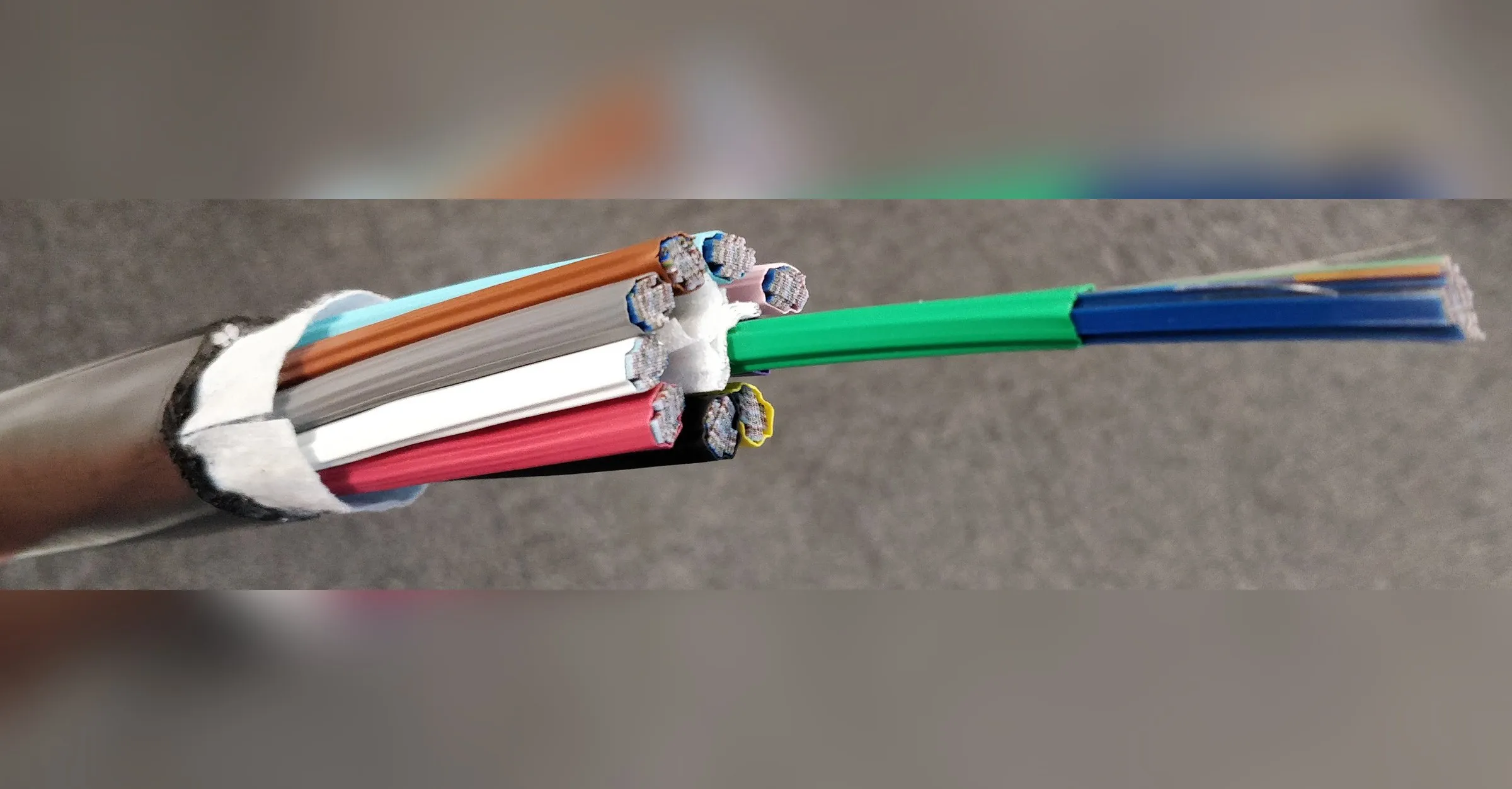
The USGS ranks germanium by end market. Sellers divide it by chemical form. Solar cells and optical fibre each draw on both forms at once.
Reviewed
Read the guide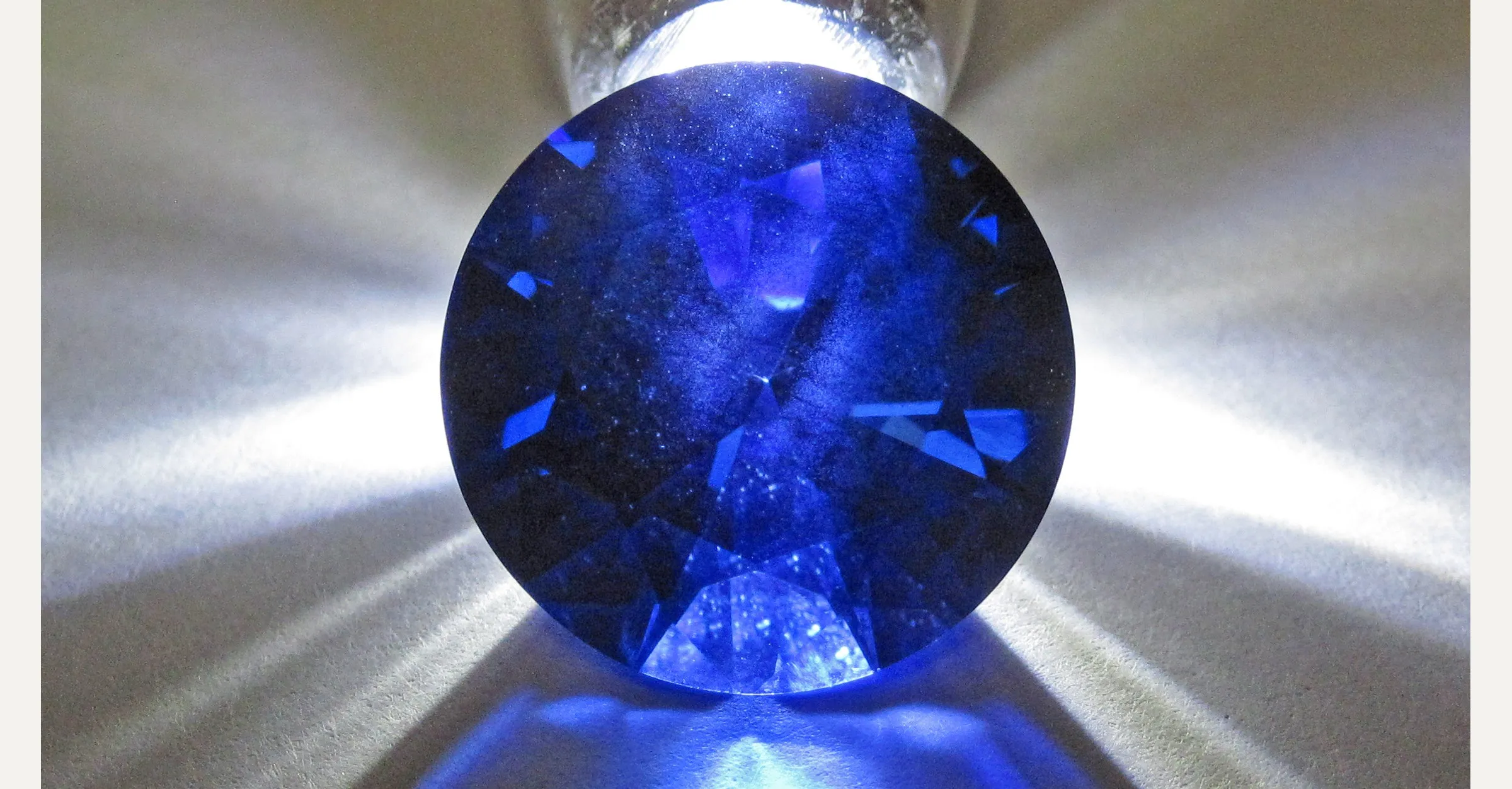
High purity alumina is defined at 4N, but grade is the least useful column in the spec sheet. Sodium, crystal form and particle size decide the sale.
Reviewed
Read the guideThe term covers two different thresholds. Grade, controlled impurity and downstream step decide what a figure actually measures.
Reviewed
Read the guide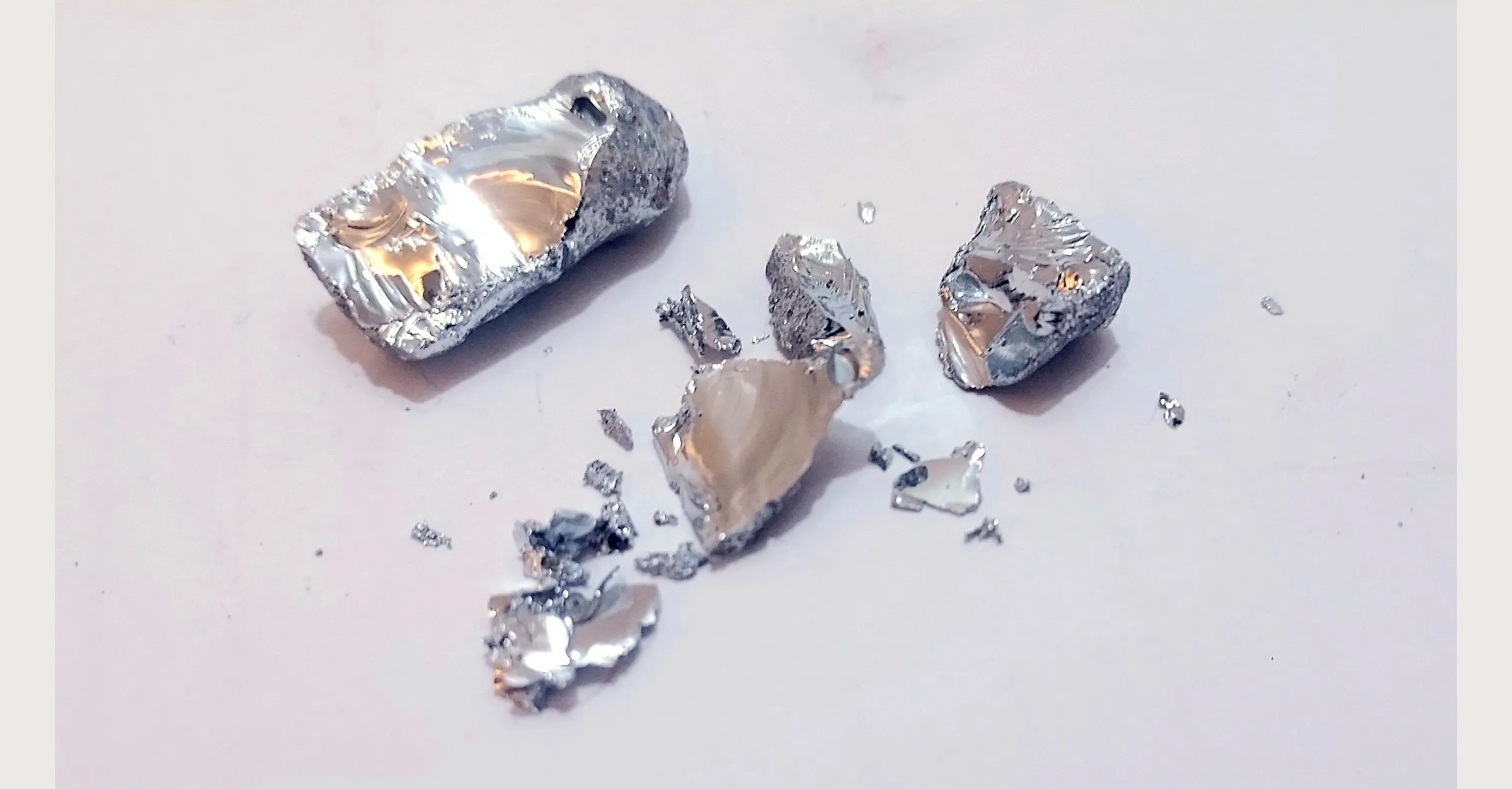
Gallium is made twice, in two different industries. China controls the first stage; the second stage decides what a wafer can be grown from.
Reviewed
Read the guide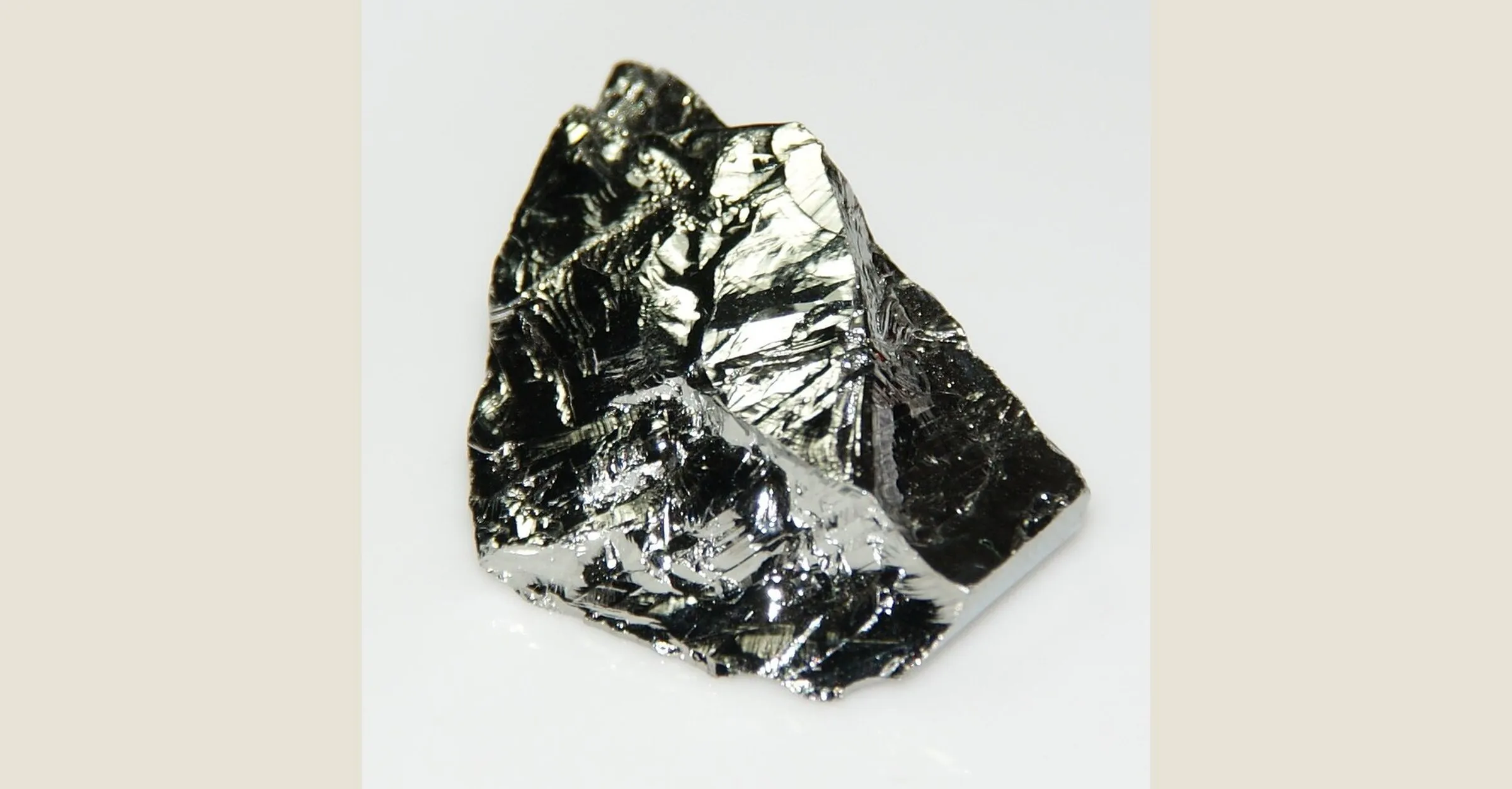
A germanium certificate is written in four different units: detectors in carriers, optics in transmission, fibre in a chemical, and 5N only in price.
Reviewed
Read the guide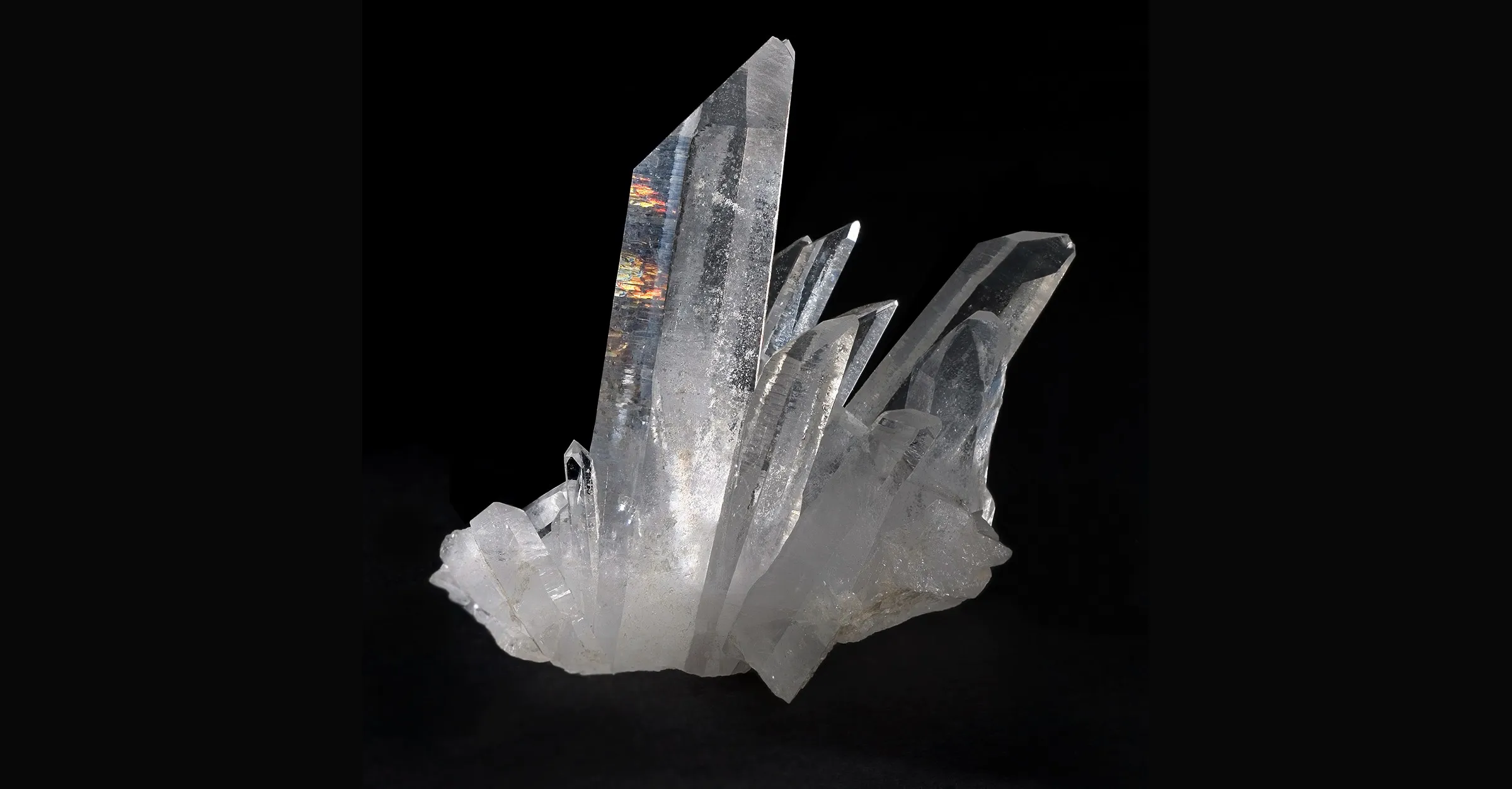
How high-purity quartz becomes crucibles and quartzware, why natural and synthetic materials coexist, and what supply claims actually establish.
Reviewed
Read the guide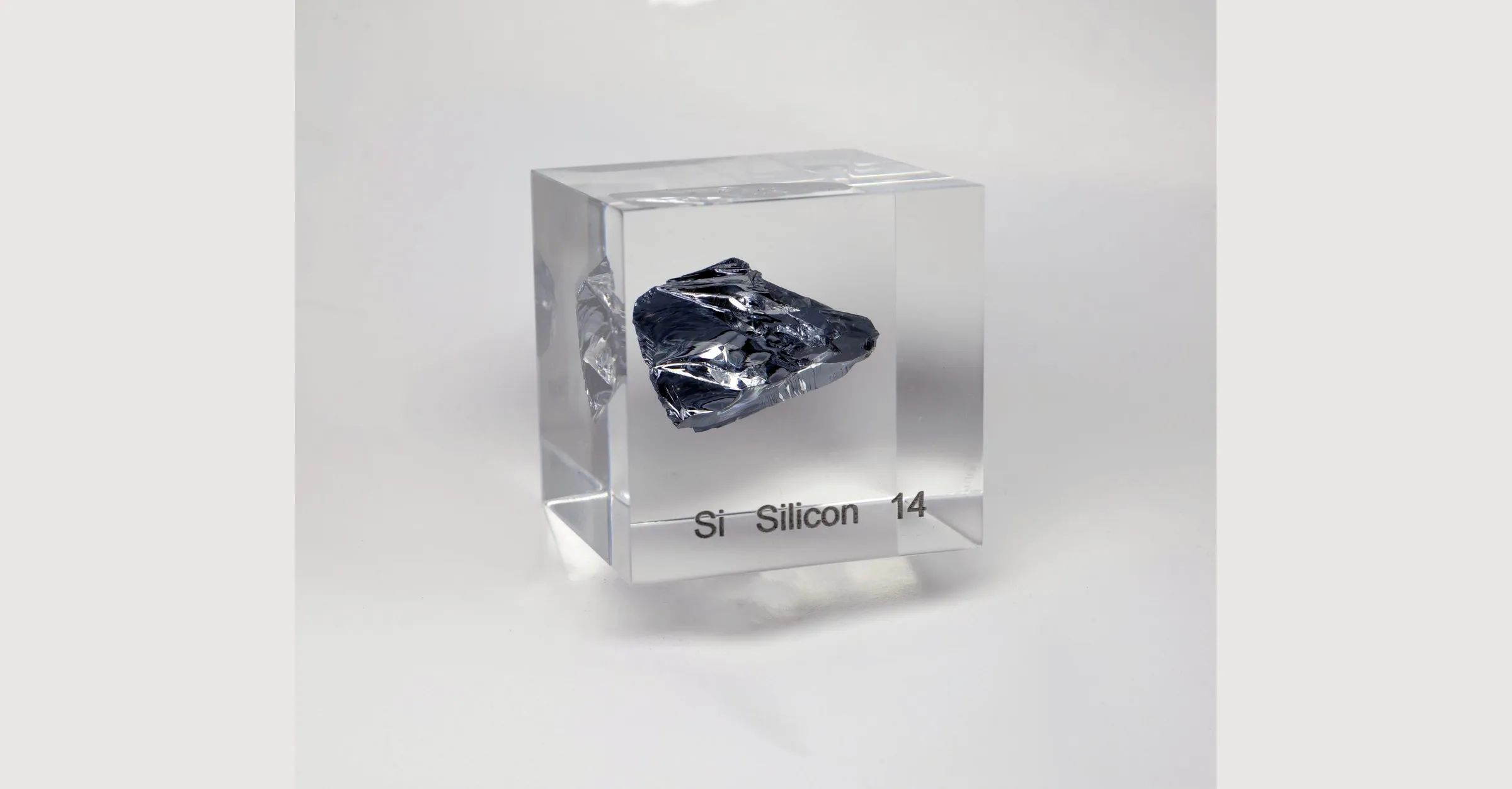
How high-purity silicon becomes solar cells and chips, why Chinese production clusters matter, and what purity figures leave out.
Reviewed
Read the guide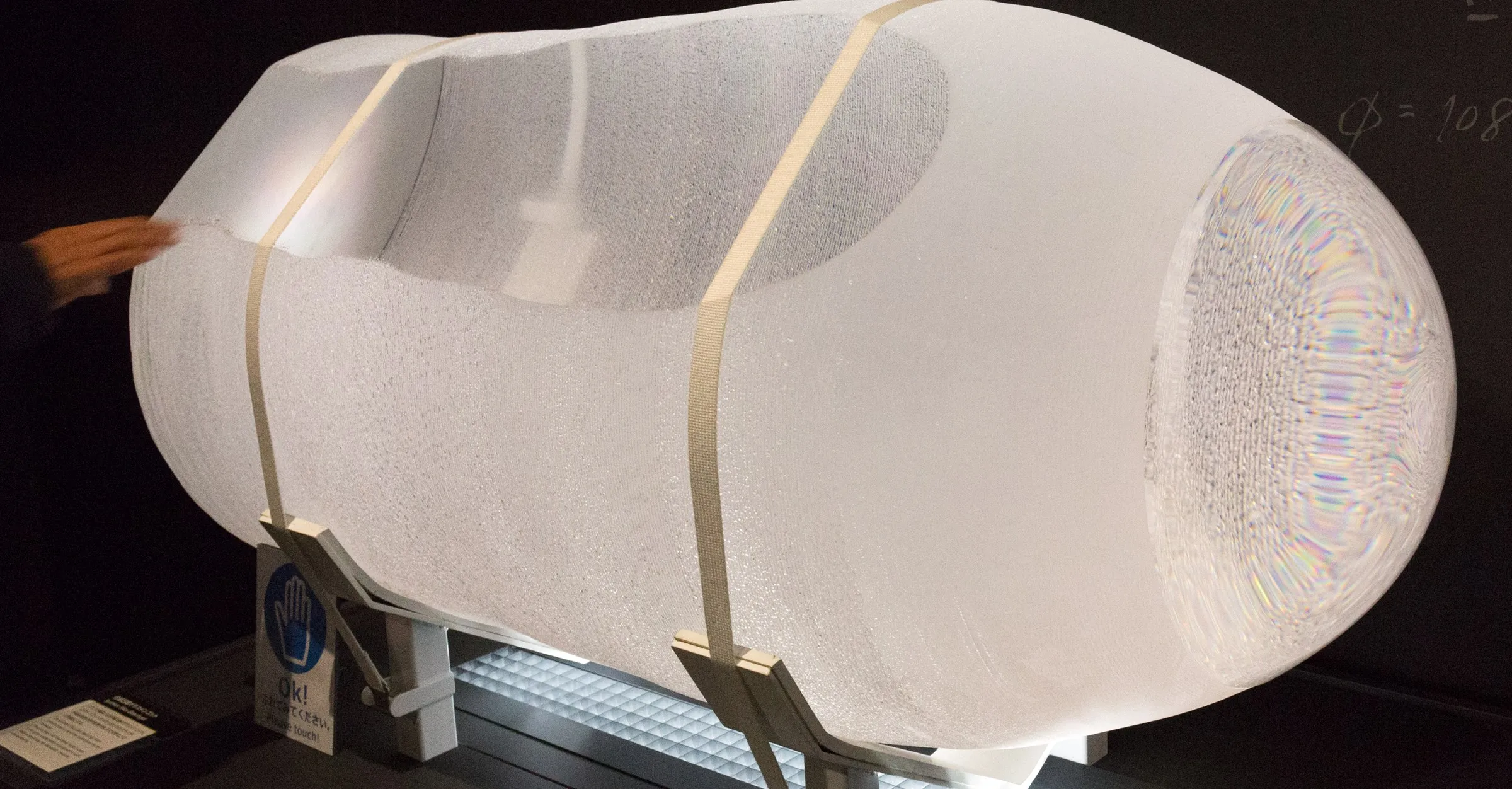
Quartz glass is made either by melting purified sand or by burning a silicon gas. A crucible uses both, in two layers, in the same wall.
Reviewed
Read the guide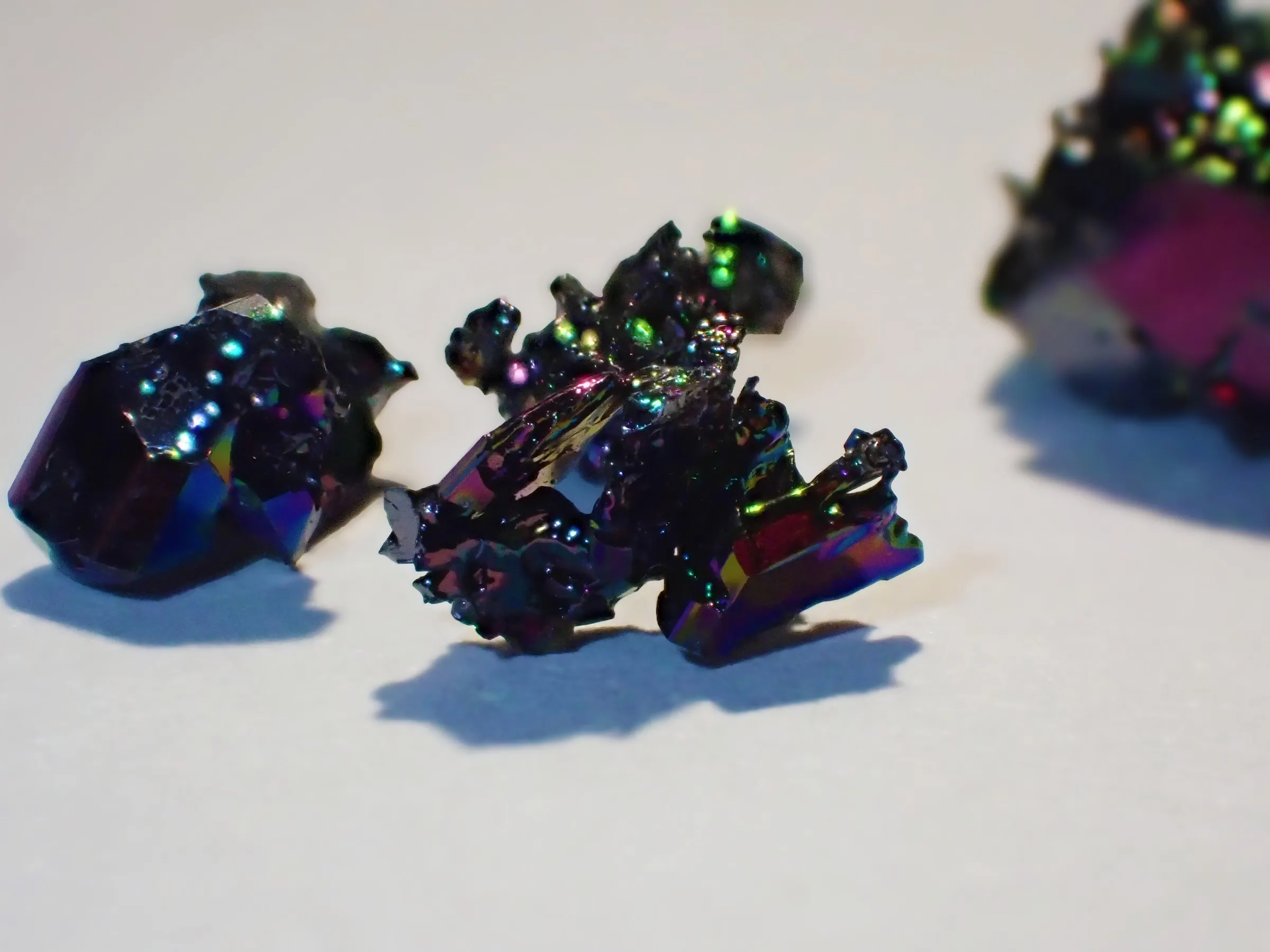
One Acheson run yields 15 to 19% saleable carbide. The core and the edge are different materials, because each impurity migrates its own way.
Reviewed
Read the guide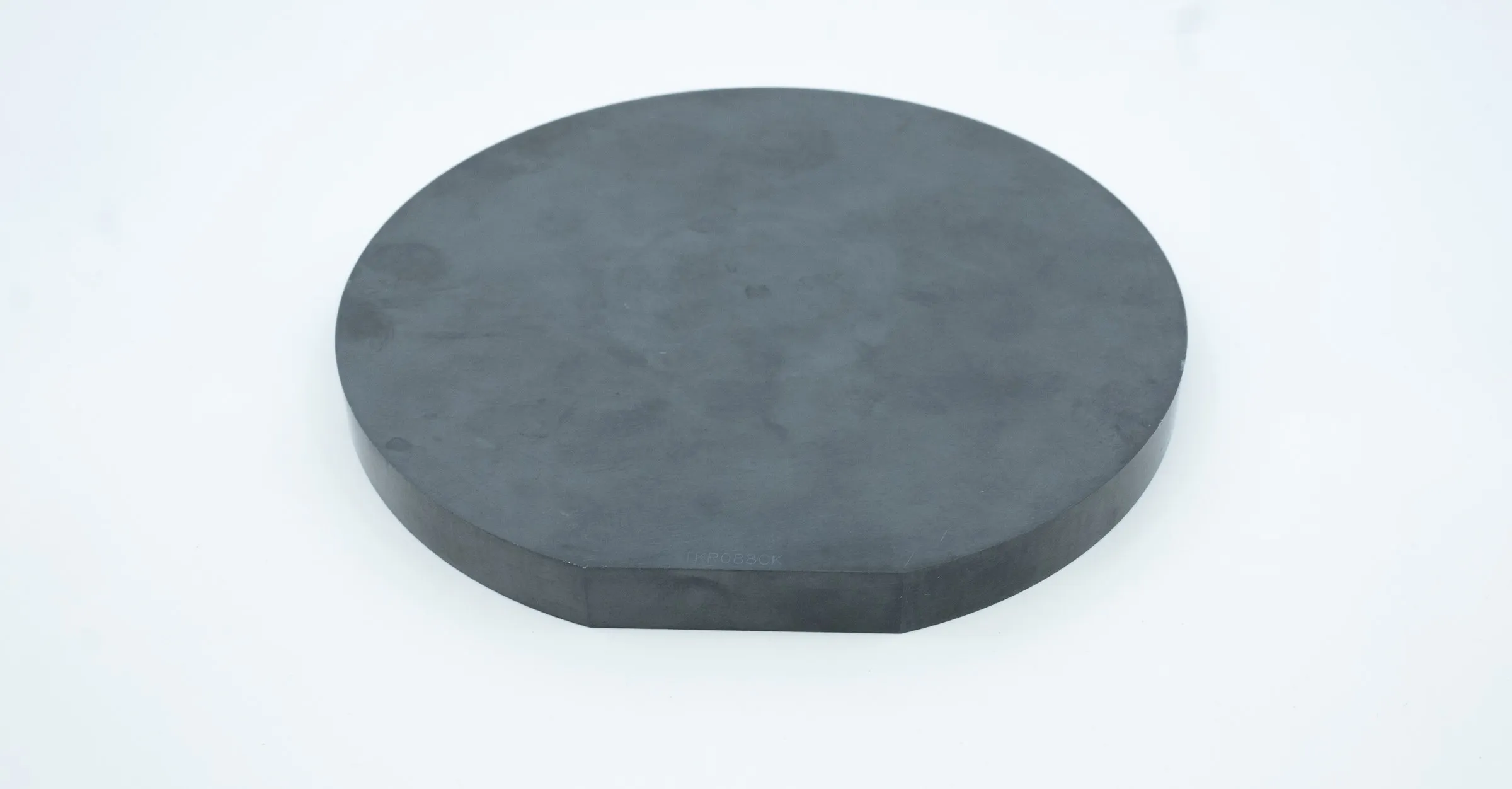
Abrasives, kiln furniture and power-device substrates buy the same compound. Three separate markets, three specs, and no route between them.
Reviewed
Read the guide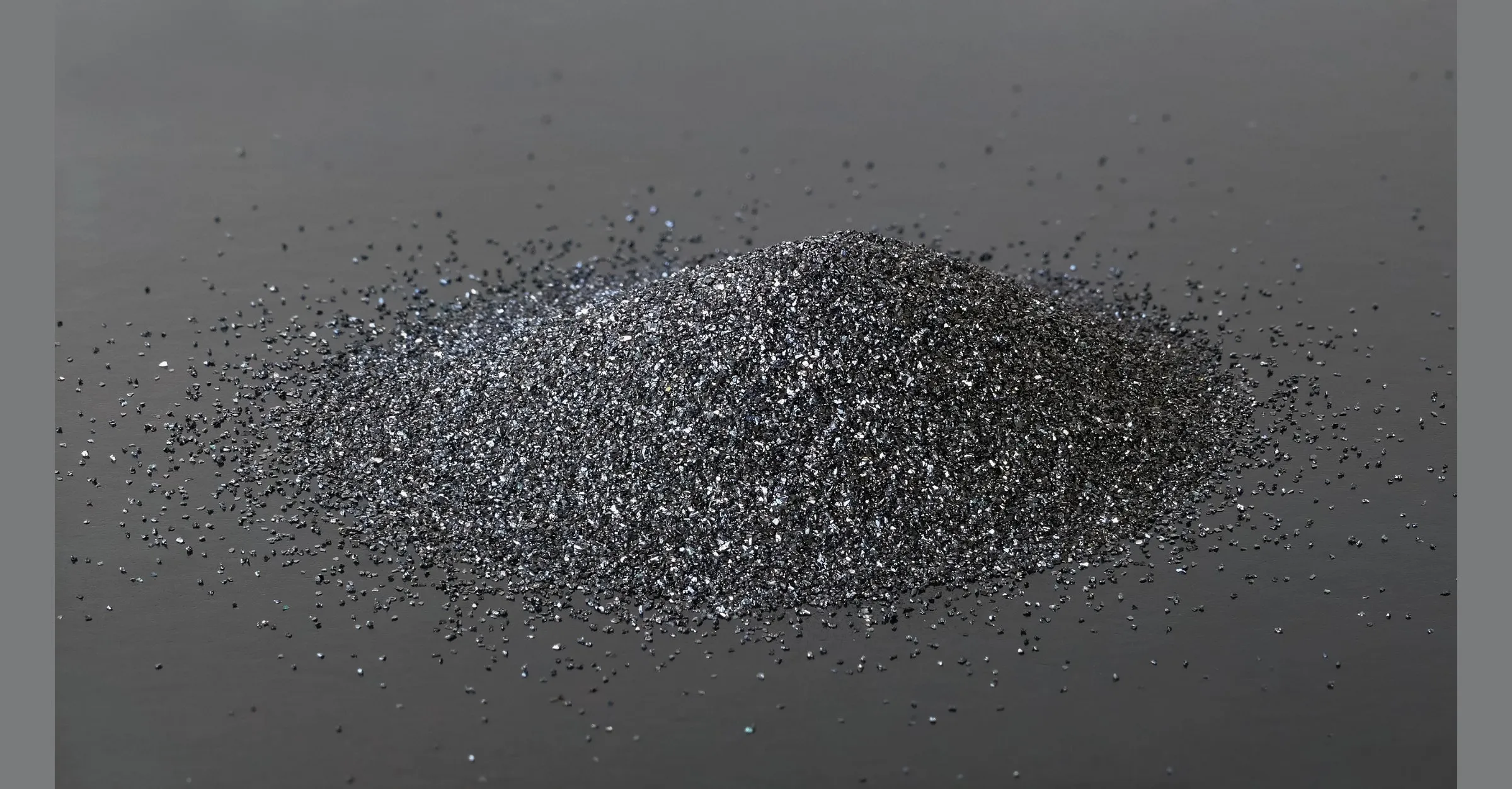
Silicon carbide is sold as grit, as a sintered ceramic and as a wafer. The numbers that identify each are not the same numbers.
Reviewed
Read the guide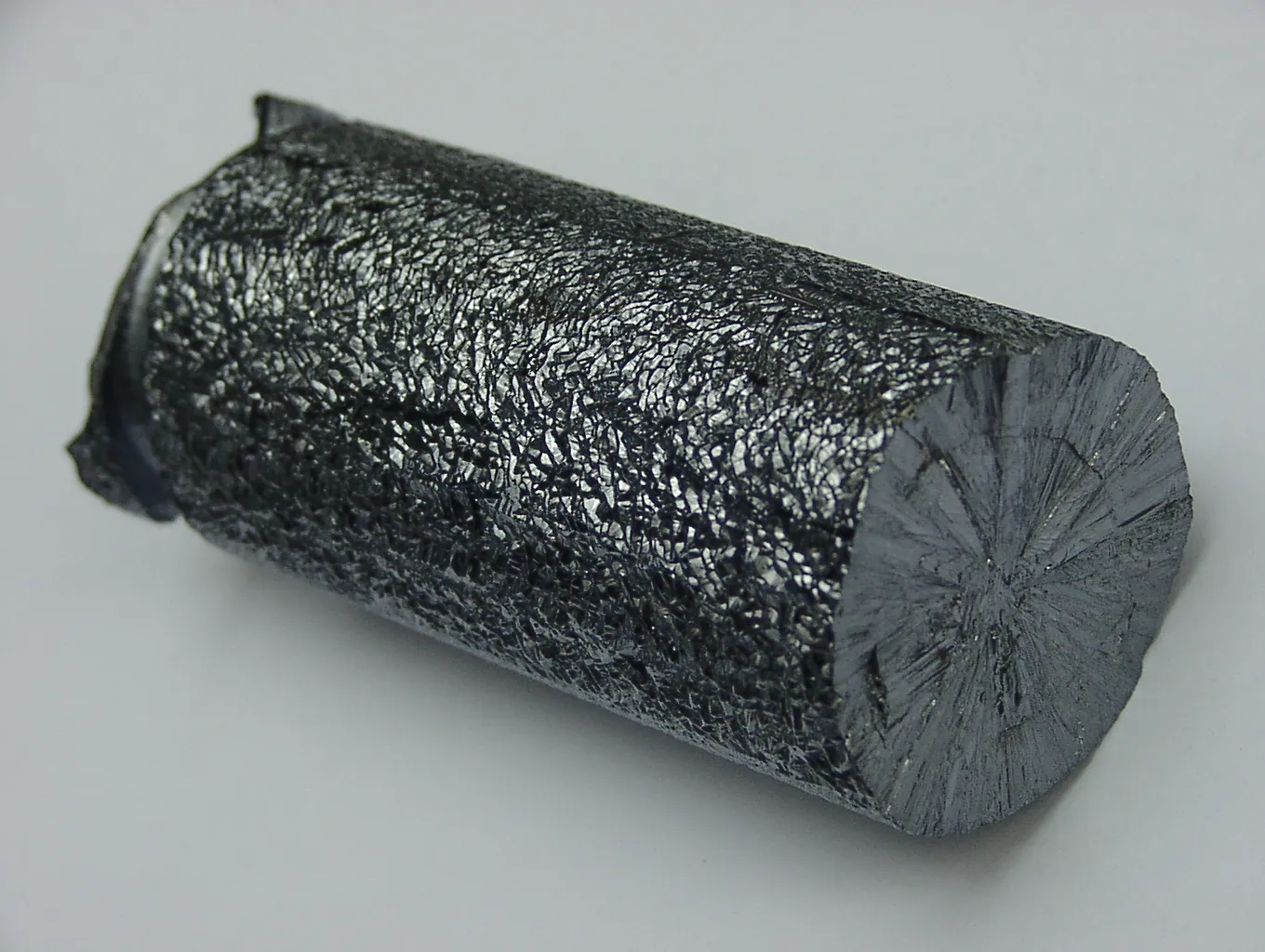
A carbon furnace stops at 98% because boron arrives with the quartz and survives the solid. Purity is reached by changing the molecule.
Reviewed
Read the guide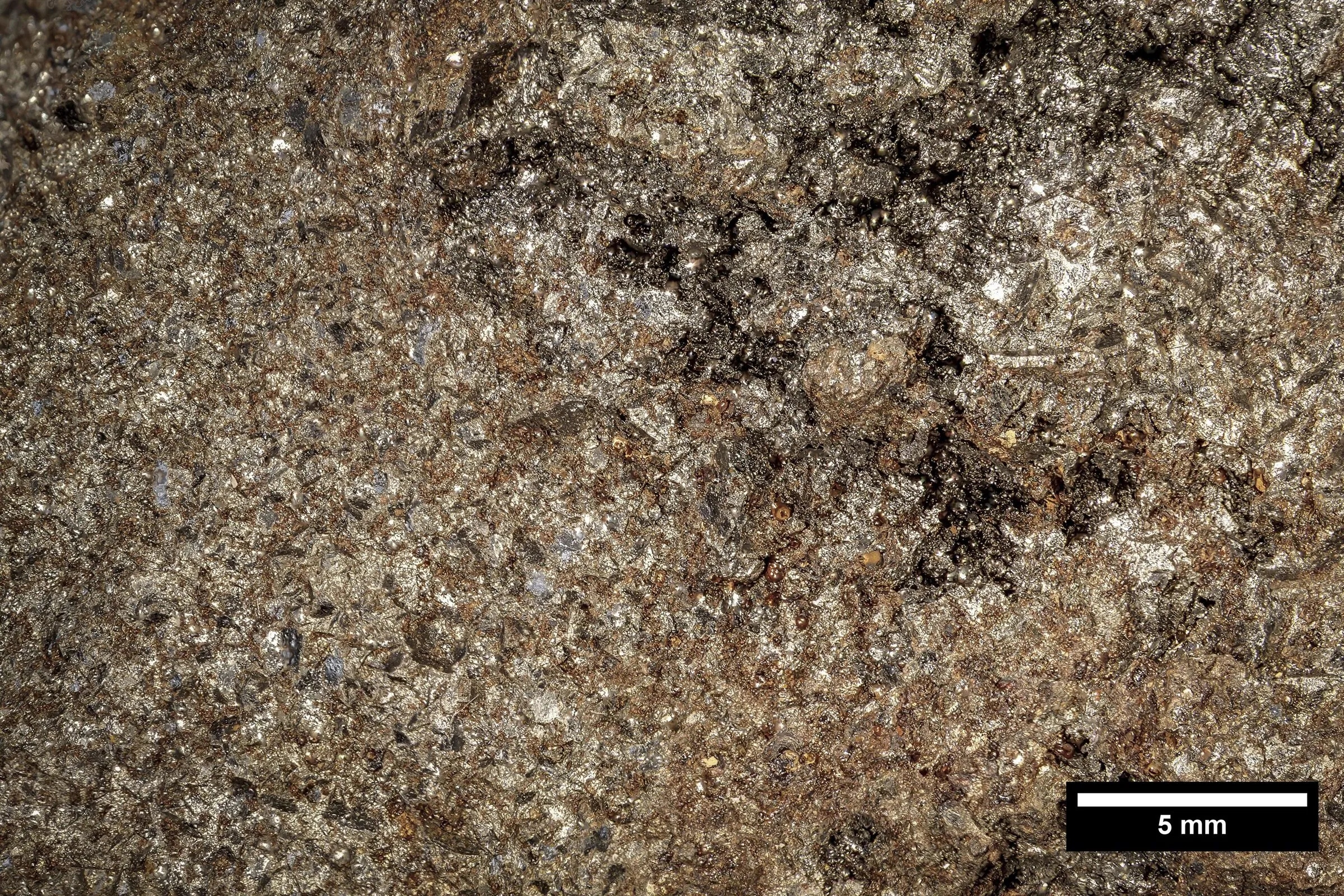
Cells, chips, aluminium alloys and silicones take silicon in four forms at four purities. Only one is bought by the kilogram.
Reviewed
Read the guide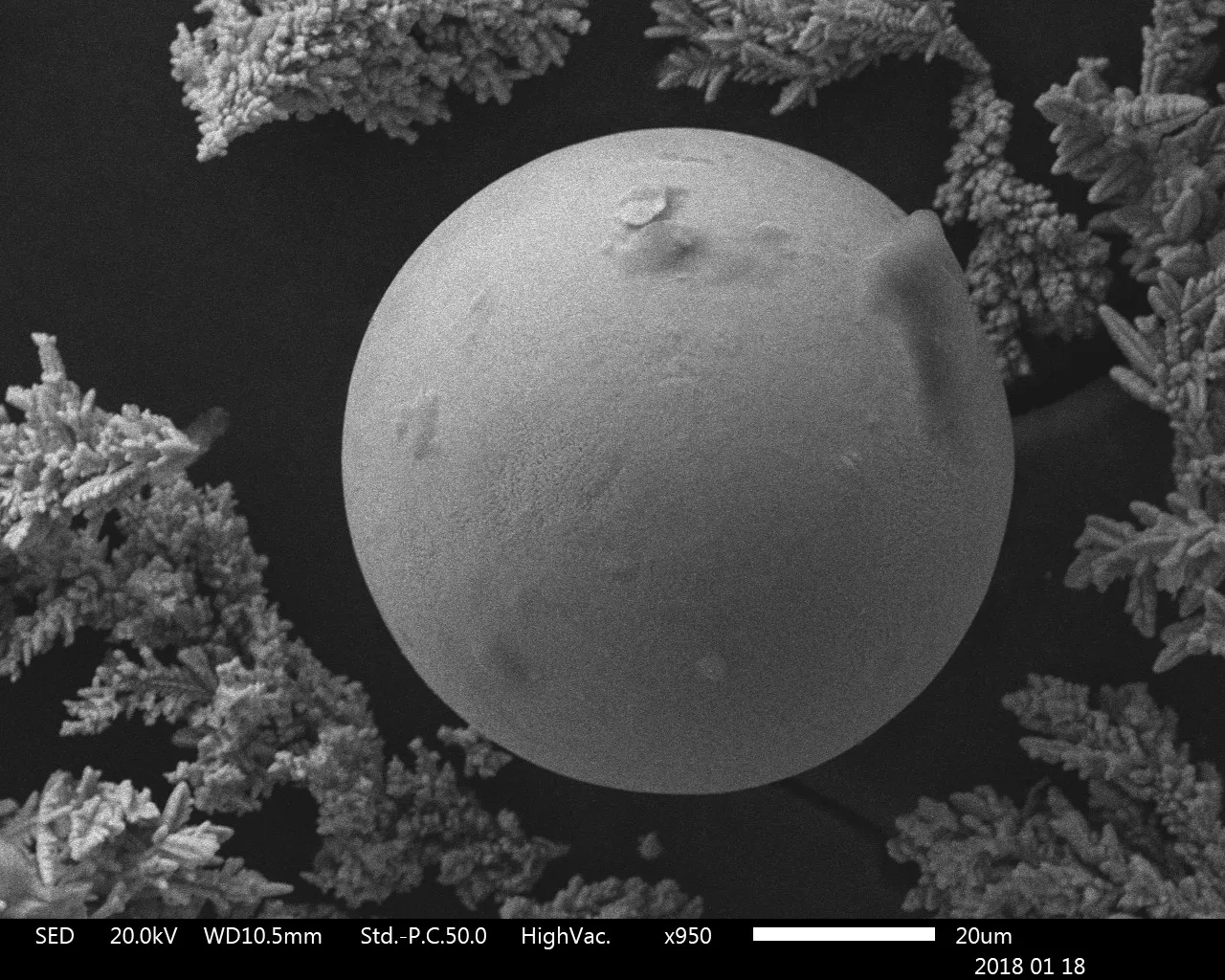
Carbon is set when tungsten is carburised, lost when the powder is milled, and only visible in the finished part when a brittle eta phase appears.
Reviewed
Read the guide
Diamond, cubic boron nitride and ceramics all beat tungsten carbide on hardness, and each fails on a specific workpiece. The 80% share is chemistry.
Reviewed
Read the guide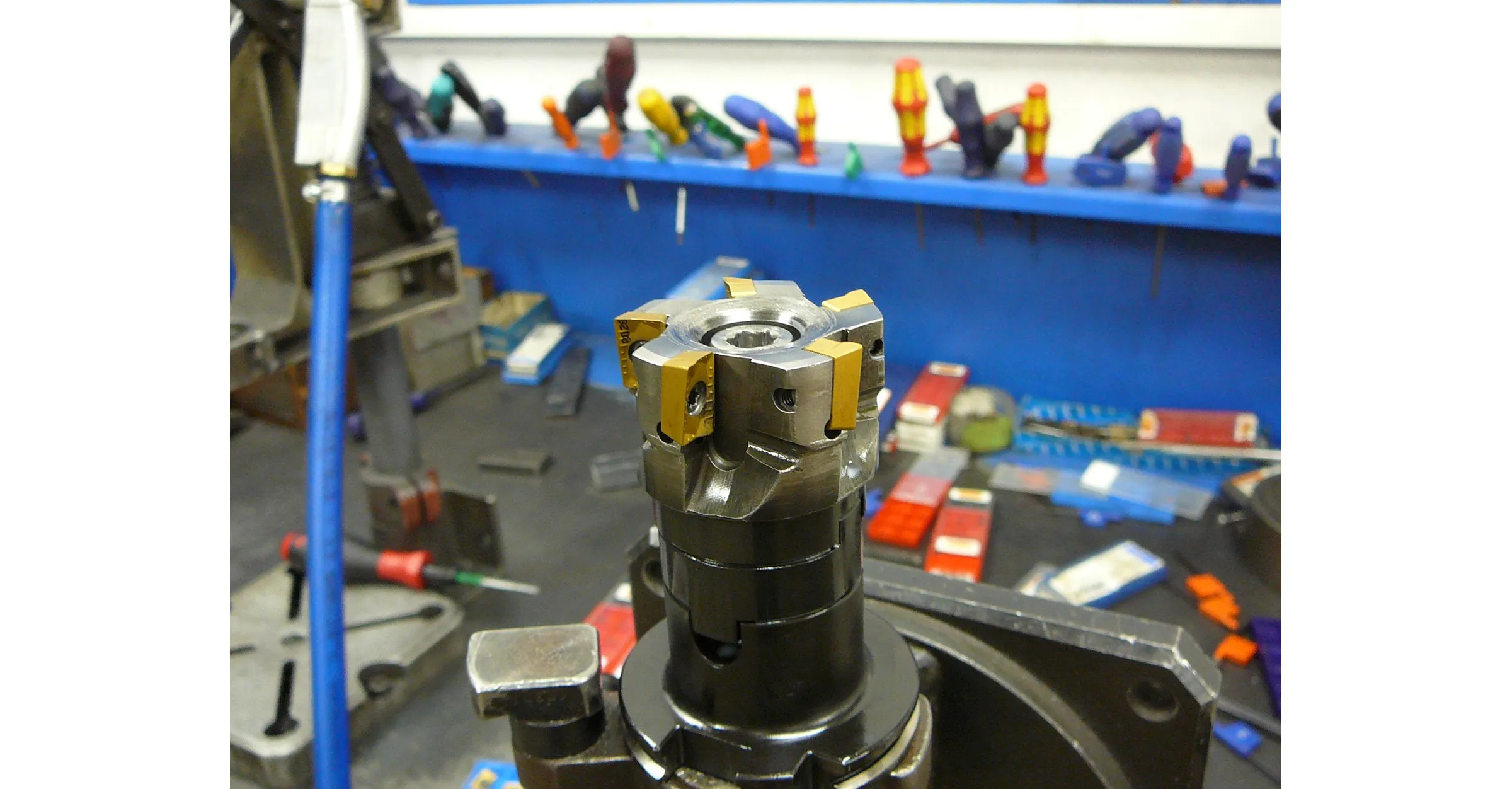
Tungsten carbide is a powder, a compound and a cemented composite. A grade is cobalt against grain size, and one ISO code can carry different numbers.
Reviewed
Read the guide
Tungsten concentrate and APT are quoted per metric ton unit of oxide, ten kilograms, and the licence tests are cumulative rather than one threshold.
Reviewed
Read the guide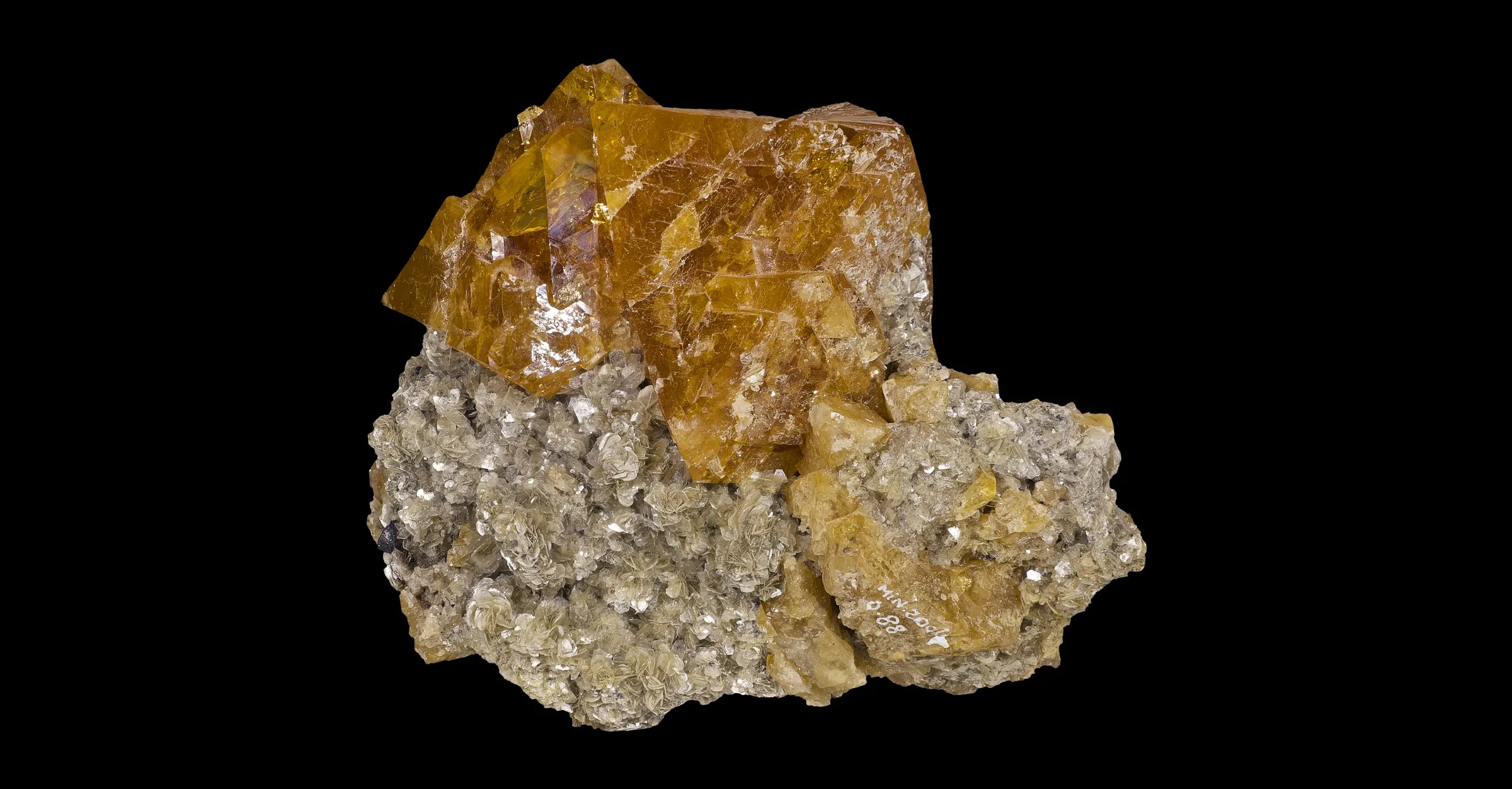
The routes differ in where acid enters the flowsheet. The art has pushed that point almost to zero; what remains is a liquor too dilute to boil cheaply.
Reviewed
Read the guide
In the US, 60% of tungsten demand goes to cemented carbide. The other 40% splits into alloys and specialty steels, electrodes and wires, and chemicals.
Reviewed
Read the guide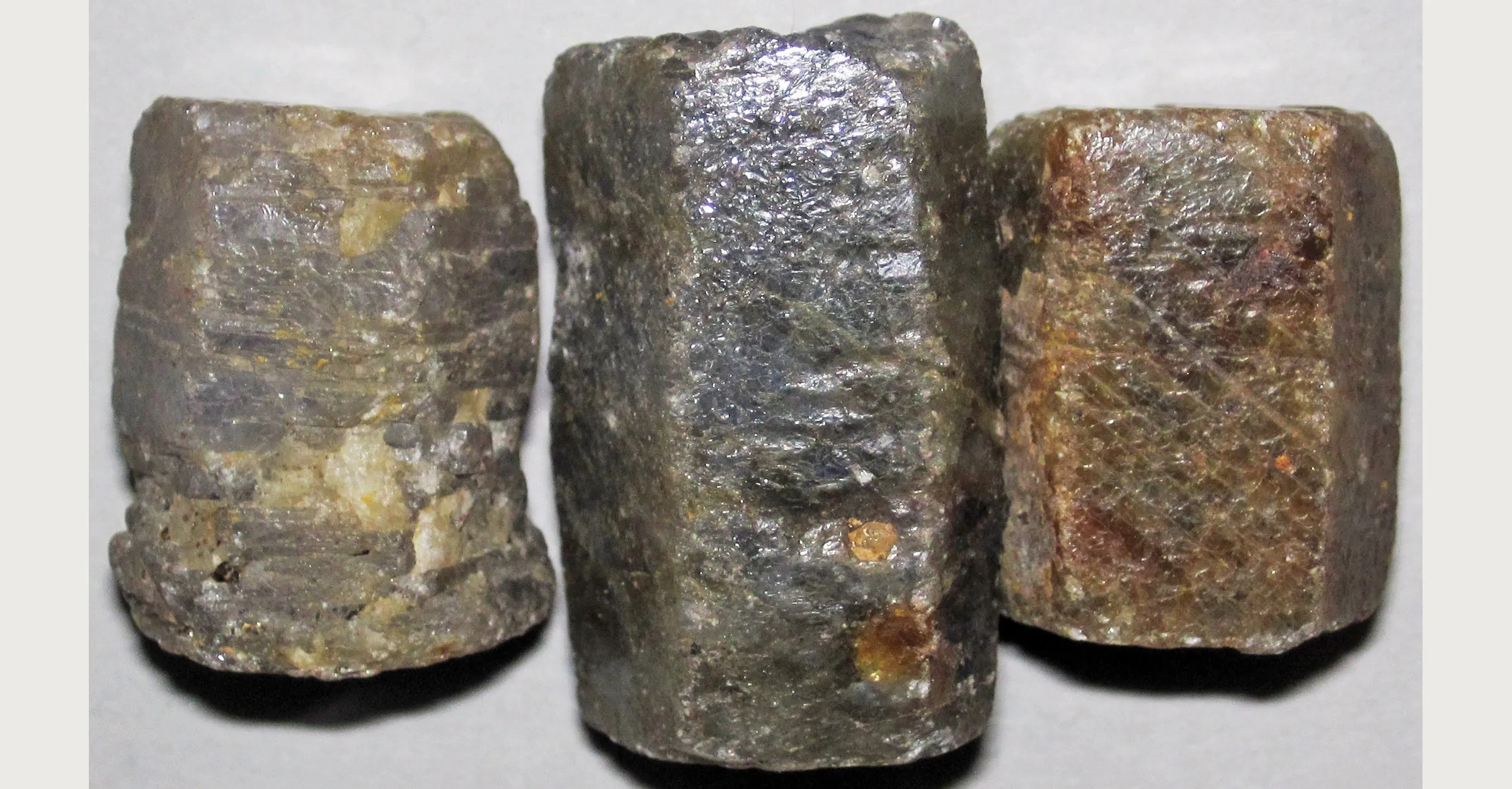
Alumina is one formula and four products. Metallurgy takes the tonnage; ceramics, chemicals and catalysts buy forms that a purity figure cannot describe.
Reviewed
Read the guide
Quartz goes into glass, moulds, well completions, filters, silicon metal and oscillator circuits. The form decides which of those you can buy.
Reviewed
Read the guideSome searches start with a question rather than a material — whether aluminum rusts, what anodising actually does. Those live in topics, one question per page, each linked back to the material it belongs to.
Browse topics